
Daily Puja at Home: Simple Puja Samagri List & Step-by-Step Guide
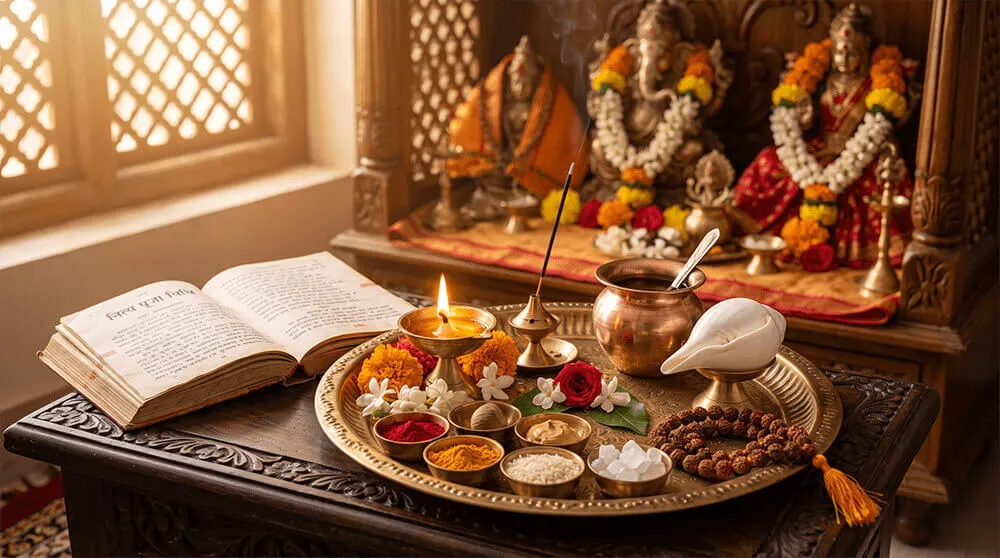
Daily puja at home does not have to be complicated. A few minutes of sincere prayer can create a peaceful atmosphere and help you begin or end your day with a calm mind.
You do not need a large collection of puja items to follow a simple daily routine. A clean prayer space, a diya, flowers, water and a few basic puja essentials are enough for many everyday practices.
In this guide, we will look at a simple puja samagri list and an easy step-by-step routine that you can follow at home.
What Is Daily Puja?
Daily puja is a regular practice of prayer, devotion and gratitude. Families may follow different traditions depending on their beliefs, customs and chosen deity.
Some people perform puja in the morning, while others prefer the evening. You can also keep your routine short when you have a busy schedule.
The most important part is sincerity rather than the number of rituals or items you use.
Simple Puja Samagri List
You can keep your daily puja simple with the following items:
- Diya and oil or ghee
- Cotton wicks
- Incense sticks or dhoop
- Fresh flowers
- Puja Jal or clean water
- Kumkum or sindoor
- Turmeric
- Rice or akshat
- A small puja thali
- Bell, if part of your tradition
- Shankh, if you use one
- Puja book or prayer book
- Mala for japa or mantra practice
You do not need every item every day. Choose the items that suit your personal tradition and daily routine.
How to Do Daily Puja at Home
1. Clean the Prayer Space
Start by cleaning your home mandir or prayer area. Remove dust, arrange the idols neatly and keep the space fresh.
A clean environment can make the prayer experience more peaceful.
Keep your regular puja items together so that you do not have to search for them every day.
2. Prepare Yourself
Before beginning puja, wash your hands and face or take a bath according to your routine.
Wear clean clothes and sit comfortably in front of your mandir.
Take a few quiet moments to settle your mind before you begin.
3. Light the Diya
Light the diya with oil or ghee and place it safely in front of the deity.
Many Indian traditions consider the diya a symbol of light, purity and divine presence.
You can make lighting the diya a regular part of your morning or evening prayer routine.
4. Light Incense or Dhoop
If you normally use incense or dhoop, light it after the diya.
Move it carefully around the prayer area according to your tradition. Keep burning incense away from curtains, paper and other flammable materials.
5. Offer Water
Offer clean water or Puja Jal to the deity as part of your prayer.
Some traditions also use a small copper vessel for keeping water during puja.
You can keep this step simple if your daily routine does not include elaborate offerings.
6. Offer Flowers and Akshat
Place fresh flowers before the deity.
You may also offer akshat, which generally refers to whole rice grains used during traditional worship.
Offer each item with devotion rather than treating the process as a checklist.
7. Apply Kumkum or Tilak
Depending on your tradition, you may use kumkum, turmeric or sandalwood during worship.
Different families follow different practices, so choose the method that belongs to your tradition.
8. Recite a Mantra or Prayer
Now spend a few moments in prayer.
You can recite a familiar mantra, read a short prayer or simply express your thoughts with gratitude.
If you practise japa, you can use a suitable mala and repeat your chosen mantra with focus.
A short and consistent practice can be easier to maintain than a long routine that feels difficult every day.
9. Offer Your Gratitude
Take a moment to express gratitude for your family, health, opportunities and the day ahead.
You can also pray for wisdom, strength and peace.
This simple moment of gratitude can help you end your puja with a positive mindset.
How Long Should Daily Puja Take?
There is no fixed time that works for everyone.
A simple daily puja can take around 5–15 minutes. If you have more time, you can include additional prayers, mantra japa or reading from a spiritual book.
The goal is not to complete a long ritual every day. Instead, create a routine that you can follow with sincerity and consistency.
Morning or Evening Puja?
Both morning and evening can work well.
Morning puja can help you begin the day peacefully. Evening prayer can give you a quiet moment after a busy day.
Choose a time that fits naturally into your daily schedule.
How to Keep Your Puja Routine Simple
A few habits can make daily puja easier:
- Keep your basic puja items in one place.
- Clean your mandir regularly.
- Keep fresh flowers whenever possible.
- Replace old or damaged puja items when needed.
- Store your mala properly after japa.
- Keep incense and diyas in a safe place.
- Follow your family or spiritual tradition respectfully.
You can also create a small puja corner if you do not have a separate prayer room.
Essential Puja Items for a Home Mandir
If you are creating a home mandir, start with the basics rather than buying everything at once.
A diya, incense, flowers, water vessel, puja thali, prayer book and suitable mala can form a useful foundation.
The right items may also vary according to your family tradition and the type of puja you follow.
Final Thoughts
Daily puja at home is ultimately about creating a regular moment for prayer, reflection and gratitude.
You do not need an elaborate setup to begin. Keep your prayer space clean, choose a few essential puja items and follow a routine that feels meaningful to you.
With consistency and devotion, even a few peaceful minutes each day can become a valuable part of your spiritual routine.
Pujalay is being created as a space for faith, devotion, spiritual knowledge and the timeless beauty of Indian spiritual traditions. Stay connected as we prepare to bring our offerings to you.